Deeper Understanding Requires Braver Conversations
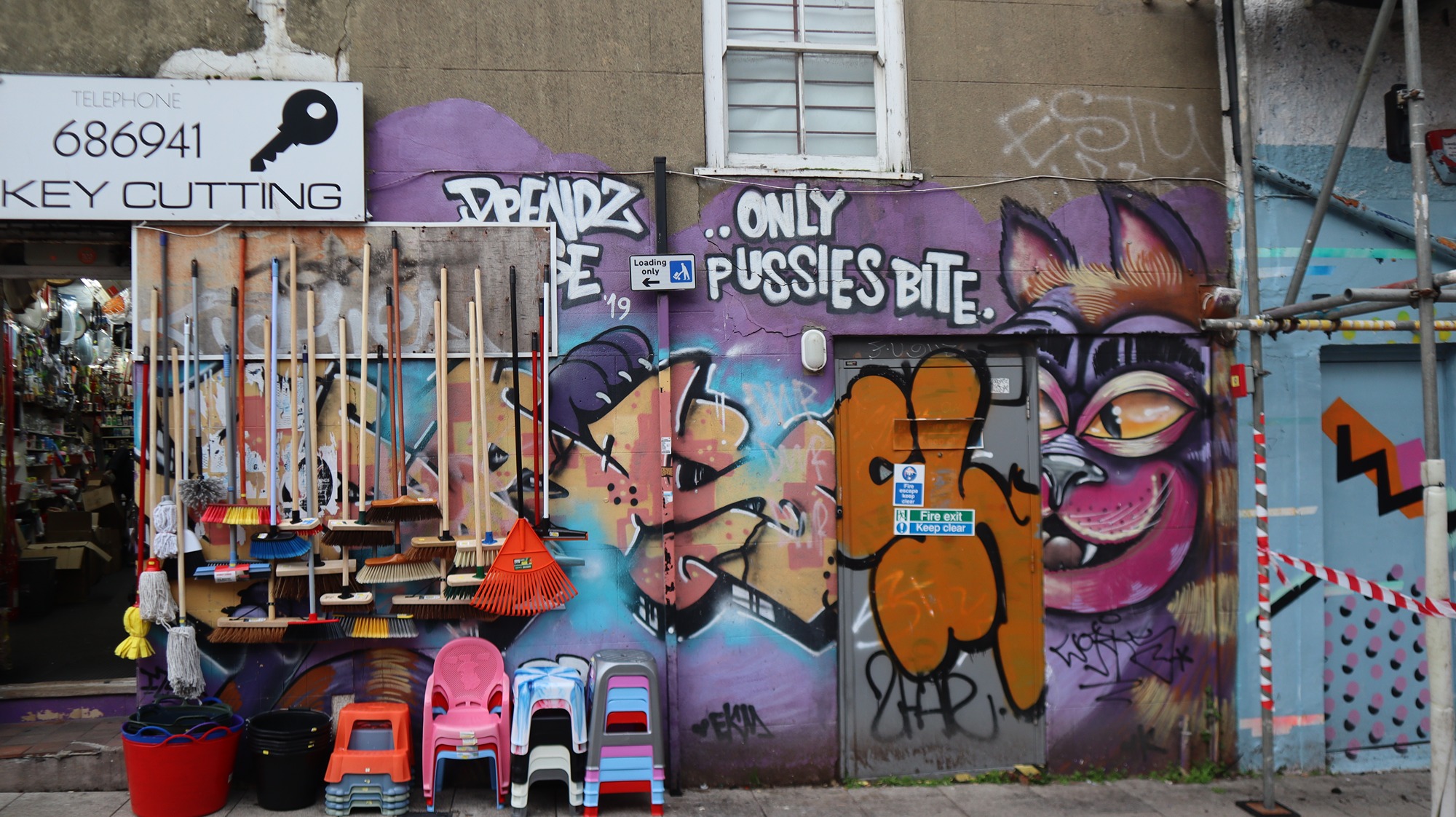
Why Politically Incorrect Conversations Matter for Real Community Development
A deeper understanding of communities does not come from saying the right things. It comes from being able to stay in conversation when things are awkward, emotionally charged, or politically uncomfortable. One of the most overlooked truths in community development is that conversations which are labelled "politically incorrect" often hold the greatest potential for real inclusion, connection, and long-term cohesion. For example, consider a neighbourhood where a planned development project sparked controversy. Some community members were concerned about gentrification, while others welcomed new economic opportunities. A series of facilitated discussions was organised in which all voices were encouraged to share their perspectives openly, even those that challenged the popular notion of progress. These honest exchanges allowed residents to address fears and hopes candidly, ultimately leading to a revised development plan that included affordable housing options and community resources, fostering both trust and collaboration. Similarly, in activist groups focusing on climate justice, internal disagreements may arise over strategic approaches or partnerships. By engaging in open dialogue that allows diverse opinions—even those that question the group's initial strategies—activists can build coalitions that are both robust and adaptable, enabling them to tackle large-scale environmental challenges more effectively.
Many communities today describe themselves as inclusive, values-led, or progressive. Yet inclusion is frequently reduced to ideological alignment. People are welcomed as long as they use the correct language, hold the approved views, and express themselves in ways that do not disrupt the dominant narrative. The difference is tolerated only when it arrives already softened and pre-agreed. This creates communities that appear inclusive on the surface but lack the depth and resilience required to hold genuine difference.
The Problem With “Safe” Conversations
When conversations are governed primarily by fear, such as fear of offence, fear of being labelled, or fear of being seen as politically incorrect, people do not speak honestly. They self-edit, perform, and withhold the parts of themselves that feel risky or inconvenient. What looks like harmony is often silence. What looks like agreement is often compliance. Over time, this erodes trust, leaving communities fragile and ill-equipped to navigate tension or disagreement.
To combat this, leaders can take a proactive role by modeling vulnerability and setting clear ground rules that encourage open dialogue. For example, a leader might start a meeting by sharing their own uncertainties or past mistakes, demonstrating that it's safe to express candid thoughts. Additionally, establishing ground rules such as 'all ideas are welcome' or 'listen to understand, not to respond' can foster an environment where honest exchanges are valued, and shame is minimized.
To further support these practices, leaders can follow a step-by-step facilitation approach:
1. Pre-meeting Preparation: Before any meeting, ensure that all participants understand the purpose and goals of the conversation. Share any background materials or context that will help everyone come in with a shared understanding.
2. Establish Agreements: Begin with collaborative agreement setting. Encourage participants to propose ground rules they believe will create a safe and productive space. Examples might include respecting confidentiality or agreeing to avoid blaming language.
3. Active Listening: During the discussion, model active listening by acknowledging contributions, asking clarifying questions, and summarizing points to ensure understanding.
4. Debriefing Practices: After meetings, conduct a debrief to reflect on what was learned and identify areas for improvement. Encourage participants to share their feelings about the process and outcomes, which deepens understanding and strengthens group cohesion.
This fragility becomes most visible in polarised spaces. LGBT communities and Christian communities are often positioned as natural adversaries. Left- and right-leaning political groups are reduced to caricatures. Leaders and organisers feel unable to question their own side without backlash. These divisions persist not because people are incapable of understanding one another, but because we have lost the collective skill of staying present when understanding feels uncomfortable.
Politically Incorrect Doesn’t Mean Careless
Politically incorrect conversations are widely misunderstood. They are not about provocation for its own sake, nor about dismissing identity, harm, or lived experience. They are not a licence for cruelty. Rather, they are conversations that refuse to replace honesty with performance.
In these conversations, people speak from lived experience rather than scripts. Uncertainty is allowed. Disagreement can exist without dehumanisation. Identity is respected, while ideas and claims remain open to examination. Strong emotions are treated as meaningful information rather than a disruption, and tension is held rather than avoided or rushed past.
Where Community Development Actually Happens
The greatest benefit of these conversations is not intellectual openness, but community resilience. When people learn how to stay in a relationship across real differences—without collapsing into avoidance or escalating into attack—communities gain the capacity to adapt rather than fracture.
This is where seemingly incompatible groups can meet without needing to convert, concede, or perform alignment. LGBT groups and faith groups can sit together without erasing their values. Political opposites can speak without assuming bad faith. Leaders can hold complexity without retreating into slogans or moral posturing. For example, in the city of Brooksville, a coalition called 'Unity in Diversity' brought together environmental activists and local business owners to address the town's pollution challenges. By fostering open, honest conversations that incorporated both ecological concerns and economic interests, the coalition successfully developed a sustainable growth plan. This plan not only reduced environmental impact but also boosted local businesses through eco-tourism opportunities. Community development happens not through consensus, but through the capacity to remain connected under pressure.
From Ideological Inclusion to Relational Inclusion
Ideological inclusion asks whether someone shares the right language, beliefs, or positions. Relational inclusion asks whether a connection can be maintained when beliefs differ. The second is harder. It requires emotional steadiness, self-awareness, and the courage to be seen without guarantees of approval.
Communities built on ideological performance tend to fracture when stress rises. Communities built on relational understanding have room to breathe, repair, and evolve. They can absorb disagreement without losing cohesion, and difference without losing dignity.
The Invitation
If we want genuinely inclusive communities—not just symbolically diverse ones we must rebuild our relationship with difficult conversation. That means letting go of the idea that safety comes from control, and recognising that trust grows through honest engagement held with care. As a concrete first action, communities could host a listening circle where diverse voices are encouraged to share their experiences and perspectives openly. Alternatively, organising a training session on effective communication across differences can provide participants with the tools and strategies needed to engage in these courageous conversations. By taking these steps, we create opportunities for genuine connection and understanding.
Deeper understanding is not created by perfect language. It is created when people are allowed to bring their whole voice into the room and remain in connection. That is the work of real community development. And that is where lasting inclusion begins.